
Show Notes
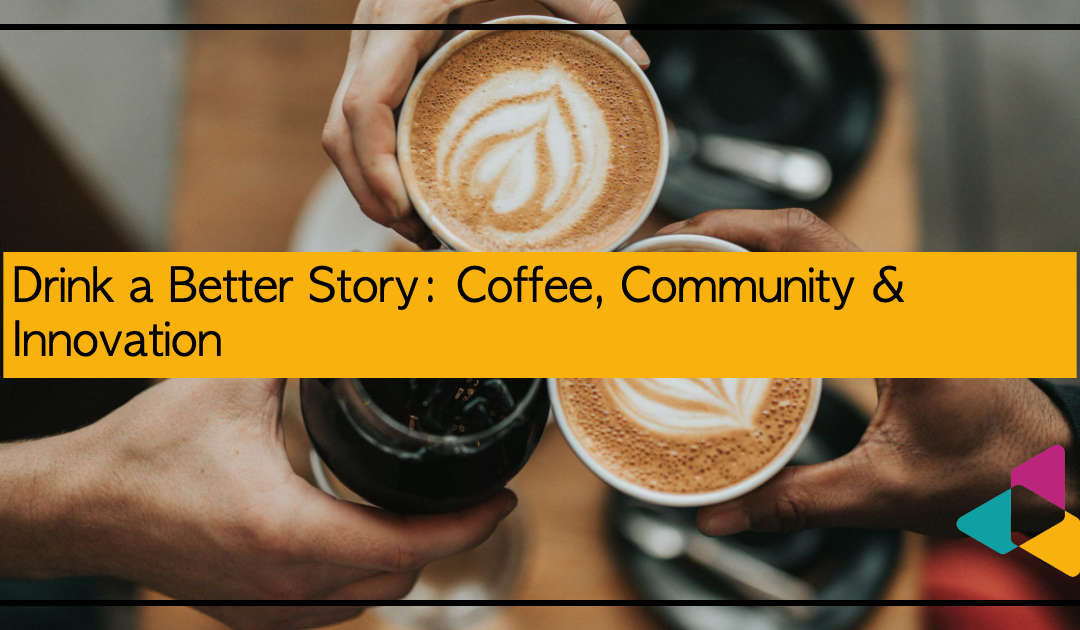
In this episode, host Michelle sits down with James Laws and Jeremy Moore to share the story behind BonLife Coffee and how they’re building more than a specialty coffee brand; they’re creating meaningful connections. From sourcing award-winning coffee directly from farmers to fostering community through their café and subscription service, they discuss the values that drive their business. They also explore the intersection of coffee, WordPress, entrepreneurship, and AI, offering insights into community building, quality, and innovation.
Episode Transcript
[00:00:00] Speaker A: Welcome to the Underrepresented in Tech podcast, where we talk about issues in underrepresentation and have difficult conversations.
Underrepresented in Tech is a free database with a goal of helping people find new opportunities in WordPress and tech.
Hello, James. Hello, Jeremy.
I do not have Samah with me today, but I have. We’re laughing because I forgot to press record the first time I did this, but I am very excited because we have guests with us today. Unfortunately, Samah is unable to be here this morning, but she asked me to keep the appointment so we could tell the story of BonLife Coffee. Now, I have two guests with me today, James Laws and Jeremy Moore. And I think I’m sounding better this time around, don’t you guys? I mean, like, the first time was just practice. It was like a dress rehearsal. So we’re all good now.
[00:00:45] Speaker B: We’re gonna be 100 better this time around. Absolutely.
[00:00:48] Speaker A: For sure. For sure.
But James and Jeremy are partners on more than just this coffee I want to tell you about. But before I get you guys into telling your story, I’m going to do what I did last time: show off your product. So I love this coffee. I have a subscription. I get two bags a month. And I’ll show you the bag. This one happens to be West Java Blue, Batavia from Indonesia. I just noticed I have.
I’m behind on some of it because I haven’t been in my office as much. What I have with this one is Colombia, Las Marias Estate, Pink Bourbon, Panella Sticky Washed.
I have to try that one just for the name alone, but I’ve got coffee from Peru, Indonesia, and Colombia. And I can’t even remember all the different places y’all have sent coffee from. And it comes every month in this beautiful box.
And then it’s like, look at that. Look how pretty that is. Not only do you get a box, but you can. Here’s a little tip. You can turn the boxes inside out and use them at Christmas time. And they say BonLife on the inside, not the outside.
But I get two. Two coughs. Two coffees every time. These ones are from Zambia and Indonesia, so very excited to try those as well. And this is my favorite mug of the whole wide world. Actually, it’s one of two, because I have two of the exact same mug. They’re both my favorite, but they’re mirror M I I R, which are phenomenal. They keep the coffee really hot or they keep iced tea really cold, too, by the way. And I have a couple of those from BonLife as well. So, James and Jeremy, I’m going to let you introduce yourselves and tell us not only your connection to this coffee, but also the way I’ve been in the shop. We’ll talk about that later. But I also want you to tell our audience about your connection to tech and WordPress. So whoever wants to go first, now that we’re actually recording, here’s your second chance at it.
[00:02:33] Speaker B: Well, I’ll kick it off, and then I’ll throw it to Jeremy to talk about the coffee side of things. So I’m James Laws. I was, you know, I’ve been on a few coffee talk shows over the years, and um, you
[00:02:46] Speaker A: were my, you were my keynote for something a couple of years ago when we had that career fest online, and that’s true. Knocked it out of the park. It was, it was phenomenal.
[00:02:56] Speaker B: It was a really great time, a lot of great content, and so that was really cool.
Most people probably know me through Ninja Forms. That’s kinda how I kind of made us a little bit of a splash, I guess, in the community 15 years ago, and have been doing that ever since, and still doing that and going strong, teams, working hard as we record on all kinds of new things. Nice, really exciting stuff. And around that same time that I started Ninja Forms, Jeremy was starting a little venture of his own.
And so I’ll, I’ll pass it off to him.
[00:03:31] Speaker C: Yep, I’m Jeremy. I’m also part of the team at Saturday Drive because about 10 years ago, we took, took, you know, our coffee thing and the Ninja Forms thing and a few other things and created a new Saturday Drive holding company.
So, James and I have been partners now for nearly a decade, friends for nearly 20 years. And you know, part of that, you know, people like coffee and tech. Well, I think most of you out there would agree that, you know, the more coffee you drink, the better code you write and the more you can comprehend things.
[00:04:04] Speaker A: Or at least you could write it faster.
[00:04:06] Speaker C: That’s right. I mean, I’ll be better, but we’ll be. There’ll be more of it. So. So that was, you know, kind of the genesis of it.
We started the coffee thing as a side project that turned into something bigger, and yeah, glad to be here today.
[00:04:18] Speaker A: Fantastic. Well, your coffee is called BonLife Coffee, which is the good life. I mean, I know enough of French to know that part, but your tagline is what made me think, gosh, I want to get these guys on the show. Because your tagline is ” Drink A better story.
And Jeremy, I want you to tell me about why it’s a better story and why it’s called the Good Life. But I also want to say that I went on your BonLife coffee website and looked at your team, and you are overwhelmingly, at least the public side of the team, women, which also is. Is underrepresented group of people, you know. And even in coffee, it’s underrepresented. Most of our baristas are men, you know, at least locally here. So it’s kind of cool to see that you don’t just like have this idea, but you actually live it too, in how you hire people. So I’m gonna let you take over from there, Jeremy.
[00:05:06] Speaker C: No, I appreciate you mentioning that, Michelle, because that’s something definitely worth calling out because, yeah, you see this underrepresented in tech, and you see James and me
[00:05:13] Speaker A: sitting here, two white men.
[00:05:14] Speaker C: Yeah, hold on a second.
[00:05:16] Speaker A: Tell me again about that.
[00:05:19] Speaker C: But no, you know, One Life. Right. Actually, the name came from. I was in Haiti, and we were looking for something, you know, one that was distinct and unique and different, but also that could kind of tie into the idea of really drinking a better story. Right. Of creating better outcomes. And so Haiti is one of the areas of focus for us that we want to continue to reinvest in.
So that was kind of where that came from.
Yeah. And this idea of. Of really improving outcomes all along the way. Right. So. So that the story can be better at every point in the process. That’s really what we’re about. And. And to your call out. Yep. Yep. So I’m here today representing the brand because, you know, I talk for a living, and I don’t mind doing it. My wife is actually the one who. Who really runs One Life on a day-to-day basis? And then their team, Kade, who you’ll see on there, she’s our roaster, which, yeah, in. In the US Market, not a lot of female roasters, particularly that are roasting award-winning coffee. So. So she’s definitely one of the best of the best. So, yeah, we have a great team and yeah, thank. Thanks for noticing that.
[00:06:23] Speaker A: Yeah. And if anybody’s ever tried to roast their own coffee and thinks it can’t be that hard. Right. So I have an air fryer, but it’s one of the ones that looks like an oven, and it comes with this roaster thing in the middle, and you can put things in it, and it spins like a spit. Right. So you could put chicken or whatever, you could roast coffee in that if you know what you’re doing. Because I wasted a good couple of handfuls of raw beans once, and thought, this is why I buy coffee, so I don’t have to roast it myself.
[00:06:51] Speaker C: Coffee roasting, you’re exactly right. Like. Like most things, you can do it, but. But to do it well. Yeah. Is a different level of.
Of expertise and obsession.
[00:07:01] Speaker A: Yeah.
I’ve learned over time that you stick to your core competencies. I learned that in my MBA program, actually. I learned what a core competency was. And that’s why I don’t paint my walls, and that’s why I don’t do my own accounting, and that’s why I don’t. Because I am not that person. I am a community person, and I like to grow and invest in community. And you all have done that with your coffee, so talk a little bit about that, too.
[00:07:24] Speaker C: Yeah, definitely. I think, you know, the first time we recorded, you missed a great version.
[00:07:28] Speaker A: I know.
I brought it back, though. I brought it back.
[00:07:33] Speaker C: The idea of drinking a better story. Right. Was really about creating a community all along the way. So we knew we would do it by intentionally investing in coffee farmers. Right. And ensuring better outcomes for them. The thing that I think was kind of maybe a happy accident, at least initially, now we’re very intentional about, is really improving the community all along the way. Particularly you think about a coffee shop. It’s one of the best outputs. This. This, you know, at this point in culture, to kind of create community, you know, as people are looking for places to just interact with people, having, you know, you’ve been to the shop. It’s a pretty good sized space. Right. It’s not lovely, you know, so it’s intentionally meant so that people can laugh.
And really have community, you know, even as they’re doing something as simple as having coffee.
[00:08:21] Speaker A: Yeah. I think I met that when I was there. I met with James and Quay, and I think Kevin was there, like all these people from Ninja that I knew, and I was like, ” This is cool. And the tables were big enough. And I even brought a friend with me because I had no idea where I was going. So it was nice.
Yeah, it was delicious.
I agree with you. I think that coffee is something that, as a culture, we come together around. My. My least favorite thing is when I say to somebody, do you want to grab a cup of coffee? And their response is, I don’t drink coffee.
No coffee shop is committed to only coffee. Like, you can say, sure, I’ll grab a tea or I have a lemonade, or whatever. Just because somebody asks you for coffee doesn’t mean you have to drink coffee. I’m just going to say that.
But here’s a little-known fact about me. I didn’t start drinking coffee till 10 years ago, and I’m 57 years old.
So I started drinking coffee because, first of all, I hated coffee, loved the smell, didn’t like it growing up at 50, at 47 years old, a friend said, ” You’ve never had my coffee. And she runs a restaurant. And so I said, all right, I’ll try. I’ll try your coffee. So she brings me coffee cream and sugar. And I was like, where has this been all my life? Now? Like, I’m the coffee snob. And I’ve only been drinking coffee for 10 years, but I do. I have a 500 espresso machine sitting next to me that I gifted myself a few years ago. That is my coffee every morning. And now my life does kind of revolve around coffee a little bit. I mean, I have a coffee talk podcast. I had to learn to love coffee.
But it’s true, right? So just because somebody invites you to coffee, you don’t have to have coffee. I just wanted to interject that into your story.
[00:09:53] Speaker C: No, it’s absolutely true.
Go ahead.
[00:09:55] Speaker B: I was gonna say, you know, I was just gonna say similarly, I don’t think I really started drinking coffee much until Jeremy and. And Bond Life really, like, that’s kind of my entrance into drinking coffee. And so, yeah, it’s. I’m. I am the same way. I’ve come to coffee late in life, but. But it’s an enjoyable thing. And the community thing is kind of interesting because coffee is this kind of galvanizing kind of community moment that’s different than so many other things in culture. Right. So you’re right. Like, going to a coffee shop isn’t. It’s not just about the coffee. There’s just something that, like, coffee acts as a medium to create connections between people, between ideas.
For a long time, our team would work out of the coffee shop. We’d take that long table that’s in the back of the coffee shop. We just take it over. There’d be like eight of us, like just churning out ideas and working through stuff and, yeah, environment. I love going.
[00:10:52] Speaker A: Is the coffee free for your team? Do you make them pay for their coffee? Okay, yeah, well, we have a.
[00:10:57] Speaker B: We do. We offer a discount to everyone who works for Saturday Drive for Bond Life Coffee. You know, when they’re there. Yes, they do get.
[00:11:04] Speaker A: Oh, that’s Good. That’s good. You gave me. You gave me a free coffee, and I was so grateful that I bought a mug, and then you sent me another one. So you’re just so generous. I love it. But that’s wonderful, and I love that you said that because one of the things I’ve been trying to write a post for the longest time about is what community is, because we all belong to multiple communities, right? Like, I live in a community. And the only thing I should say, the only thing, the only thing that’s a common thread between every single person in this town is that we live in the same place. That is the community that I live in. I am in the WordPress community because we bond around WordPress. But the thing about coffee is you can get together with any number of people, and it automatically gives you something you’re all doing at the same time, which opens up that opportunity to have a conversation. Because community comes together around something, whatever that thing is. And even if you are 12 strangers, you get that coffee in your hand, now you have something to talk about, and that opens up the conversation. It doesn’t have to have any Baileys in it at all.
[00:12:02] Speaker C: But if it does, that’s okay, too. Yeah, you’re exactly right. The lowering of barriers to finding common ground. Right. Is what. Coffee can do that. And to your point, not just coffee, right? Anything for coffee? And you know, have a matcha or a tea or at some coffee shops, you can even get beer. Right.
[00:12:22] Speaker A: So that’s true. Or. Or fruit juices or any of those things. So I’ve noticed that Starbucks is now in my local Walmart and Wegmans up here. When am I going to see BonLife next to the Starbucks stuff? That’s all I want to know.
[00:12:36] Speaker C: Yeah, that’s a great, great question. You know, one of the things, at a few points, and this is probably more relatable to some of your tech listeners, of trying to figure out what is the right. Next step. The scale versus lifestyle is kind of the.
[00:12:50] Speaker A: Yeah, yeah.
[00:12:52] Speaker C: And. And so, you know, the more you scale on average, right? The more you’re going to have to work and perhaps compromise on quality.
And, so that’s, you know, so far, right, we’ve been pretty intentional to say, hey, we’re not going to scale at the expense of quality.
[00:13:06] Speaker A: Yeah.
[00:13:06] Speaker C: And so, you know, we work with specific farmers who have limited outputs and really high quality. So to do more, you know, would require us to dump. Right.
[00:13:16] Speaker A: I actually like that you’re my little secret in a way. Right. Like, I give away. I get two a month. I probably drink one and a half a month. So that means that I get, you know, I have one of these lovely bold bags which are just lovely to give away every couple of months. And so I do. I don’t just like, hoard coffee because I want to share it. And I’m constantly telling people, I know that you buy Maxwell House.
Wait till you try this. Right? Like, there’s nothing wrong with Maxwell House, but if you can get a nice Indonesian coffee. This one is from Zambia. I haven’t had Zambian coffee yet, so this is. I’m really excited to try and just opening it. I wish that this podcast had a smell of vision, because sometimes if I can’t have another coffee in the afternoon because, you know, calories or whatever, I’ll just open it up and take a whiff. And it still, like, refreshes my brain a little bit. I mean, they use coffee at wine tastings so that you can sniff the beans in between to help cleanse your palate with the smell. So, I mean, it’s good stuff.
[00:14:20] Speaker C: There you go. The medical benefits are increasing, too. Right.
Depending on which journal you read, it might increase your lifespan, lower your blood pressure, and all kinds of good stuff.
[00:14:31] Speaker A: It’ll make you regular, I’ll tell you that right now.
Coffee is beautiful for that.
[00:14:38] Speaker C: I didn’t know we were going to go there. Here we are.
[00:14:40] Speaker A: I mean, this is. It’s my podcast. I can go anywhere. I want the Mazda here to rein me back. So how did you? How do you find your coffee suppliers? Because like I said, it’s not. You’re not just getting Colombian coffee. You’re getting it from literally Peru, Bolivia, and Zambia, all over Africa, and Indonesia, and all of these wonderful places.
How do you source it?
[00:15:04] Speaker C: Yeah, that’s. It’s been. One of the things that has kept me pretty interested for a long time now. Right. Is that there’s always work to do and more to learn.
Certainly, we have some core relationships that we continue to go back to year after year and build on, and we’ll work with them on interesting processes and evolving their processes. But then we’re also always looking for, kind of, “okay, what’s new, different, and interesting?”
Zambia, that’s a place we don’t see coffee from very often. Yeah, so. So we do a lot of that. And of course, at this point, you know, because we’ve been around for, you know, almost 15 years, and we’ve won some awards, we have a little bit of, you know, Industry credibility.
[00:15:42] Speaker A: Yeah, it’s a cache.
[00:15:43] Speaker C: Yeah. A lot of people reach out to us, being like, ” Hey, you know, try this coffee. You know, would you, would you, you know, use this? So we try a lot. We’ll give feedback, and sometimes we’ll develop new relationships off of that, too.
[00:15:54] Speaker A: But it is pretty cool.
[00:15:56] Speaker C: It’s a full-time job continuing to figure out what is the next one. And then after we’ve sourced it, we still have to kind of develop the roast profile and make sure that we’re presenting it as positively as we can.
[00:16:08] Speaker A: So the beans arrive at you raw, then, and you’re roasting them there in Tennessee?
[00:16:12] Speaker C: That’s it. Yeah, yeah. We buy them, you know, typically a pallet or several pallets at a time. So, you know, a coffee, if you’ve probably been to a shop that has those large jute bags on the walls, right? That, you know, it comes in 132 pounds, is like the standard size of a, of a green coffee bag. So we’ll get, you know, stacks of those and then we roast it, you know, one batch at a time. Kate roasts the coffee in Cleveland, Tennessee. Yep.
[00:16:38] Speaker B: Yeah.
[00:16:39] Speaker A: And Kate is your master roaster. The only roaster.
[00:16:41] Speaker C: How does she, you know, for, for a long time I, I did a fair amount of the roasting myself and, and over time, you know, Kate’s been with us for about 10 years and, and she knows what she’s doing, and so she’s. Yeah, she’s great.
[00:16:55] Speaker A: That’s awesome. And you have a, you have a lovely staff there. Everybody was so attentive. I remember, like, you have some really interesting things on your menu that you can’t order, like to be shipped to my house, for example. I think I got something that was infused. I’m reaching back four years, so correct me if I’m wrong, but I want to say it was infused with lavender and honey.
Some kind of coffee that had lavender in it at that point in time.
[00:17:16] Speaker C: And it was so good for the retail shop. Right. So, anybody who comes and visits Cleveland, you should come by. We always.
[00:17:24] Speaker A: Tennessee, that’s it.
[00:17:26] Speaker C: Not Ohio, the original.
And we always have seasonal lattes. So they’ll have three or four that change. And they’re always tinkering with, okay, what is the next seasonal syrup? And they make a house. So lavender and honey have been one that, that one’s been recurring. We’ve had that one a few times.
[00:17:44] Speaker A: It was so good. And that was like I said four years ago. And I remember, and I remember talking to your barista? Honestly, I don’t remember who it was at the time. I apologize for that part. But I remember saying, well, what does it taste like? Do you think I’d like it? And they’re like, well, if you don’t like it, bring it back, and we’ll make you something different. And I mean, I liked it so I didn’t have to go back, so I, I wanted more. But it was like 7 o’clock in the evening, and I definitely needed to sleep that night, so I just kept to one, as I do. But anyway, it was just delicious. Yeah. And it was so nice that not only do you roast coffee and set up coffee and that kind of thing, but that you have the shop there, and I think you can test on things. You can be like, ” We want to try this coffee. Let’s see how it goes. If we add it to our shipping lineup, or we only got a little bit of it, so we have a special in the shop, and you can do different things when you have an audience there?
[00:18:33] Speaker C: Absolutely. No, it definitely becomes a little bit, you know, while certainly we love creating community there, it is also a little bit of a test kitchen for, you know, what can we do that ultimately can be put on the subscriptions or other online platforms? And, yeah, so we always, you know, the coffees, we always have four or five different coffees rotating through there every week. And so it’s a great spot.
[00:18:55] Speaker A: That’s cool. Now, is there anybody at Saturday Drive that just doesn’t drink coffee?
And do you shun them?
[00:19:02] Speaker C: Yes. And yes.
[00:19:06] Speaker B: I’m trying to remember because the way you really find that out is that once a year we do a summit where we bring everyone in, and because they’re kind of all over the place, we, you know, South Africa and Spain, and so when we get, we kind of get them all together.
I’m trying to remember like our morning because we always bring bond life. Coffee.
[00:19:22] Speaker A: Sure.
[00:19:23] Speaker B: Ready every morning.
[00:19:23] Speaker A: No Dunkin for that group to think.
[00:19:25] Speaker B: Who doesn’t, who doesn’t drink the coffee?
[00:19:28] Speaker C: Well, there’s one notable non-coffee drinker on the team, and that is our other partner, Kevin Sto.
[00:19:36] Speaker B: That’s true.
[00:19:36] Speaker A: Yeah.
[00:19:37] Speaker C: Yeah, Kevin. Kevin is a morning Coca-Cola guy.
[00:19:40] Speaker A: Yeah, Kevin is such a nice guy. I mean, honestly, any time I’ve had an opportunity to tell somebody what a great guy he is, he’s just the salt of the earth. Sweet night. Sweet, sweet man. Really is. I’ve had many conversations about different things, social media, and all kinds of different things. So, yeah, you’ve got a great crew. I mean, the BonLife side and the Saturday drive side got just really, really good people there.
James, you’re not on social media so much. So I reached out to one of your team members, and Mia’s like, here’s his email. Good luck. Let me know if he doesn’t reply. But he’ll reply.
[00:20:09] Speaker B: She said she’ll get on my case if I don’t.
[00:20:13] Speaker A: You replied very. Actually, you sent something to Jeremy, and he replied the same day, I think. And here we are, less than a week later, which I think is so super cool.
If you have a wish for BonLife coffee, what would that wish be? I’m not like the coffee wizard. I can’t grant wishes. But what would it be?
The genie. You have to rub your coffee pot, and you get a wish.
[00:20:37] Speaker C: Yeah, I think it would certainly be that. We continue to live out what we want to be. Right. Which is really high quality, treating people well, and serving a great product.
And then we talked about scale earlier.
I think there is a level of scale to your point. We don’t want to necessarily be too big.
[00:20:56] Speaker A: Starbucks.
[00:20:57] Speaker C: Starbucks. We don’t want to be Starbucks. We also don’t want to be a secret. Right. So I think continuing to elevate the brand and get the name out there because it is good people serving a great product, and I think the world needs more of that.
[00:21:11] Speaker A: Do you have a lot of subscriptions, people like me buying your coffee from other states and having it shipped out?
[00:21:16] Speaker C: Yeah. That certainly is the fastest-growing segment for us. Right. Are the online subscriptions?
Others are figuring out that what you figured out is okay, rather than going through and making the selection every month or realizing I’m out of coffee and now I’ve got to wait a week to
[00:21:30] Speaker A: Get it right or go buy Maxwell House.
[00:21:33] Speaker C: Yeah, yeah, yeah, exactly. Is just set it up on auto ship, particularly. And some do, you know, get the same thing every month. Right. And they just. They know what they like, and they get it. And then others. I’m like you, right? I’m a little more surprised. I want something different. Well, then you can have something different every month, right? And then some come back to like, oh, I really want more of that. Yeah, come back and get more.
[00:21:53] Speaker A: Yeah, I am. I actually bought my. My boyfriend’s mother bought a coffee grinder because she didn’t have one. And I was tired of grinding the beans first and then bringing them to her. I’m like, oh, it’s Christmas. Here, let me give you some coffee accouterments. Now I can give you coffee anytime I want. It’s your responsibility to make sure it gets in the pot.
But she loves it too.
Absolutely.
I love that. So I don’t think there are tipping points and things like that. When you talk about growth, and there are opportunities, and then there’s. You do your SWOT analysis, and you realize that maybe that’s too big a step right now.
And so slow growth over time. It’s always been my mantra.
For example, I started with one Twitter follower, and now I’ve got, I don’t know, 20 something. Thousand.
That’s how it works, right? And I still call it Twitter. You’re never gonna take that away from me.
But. But it. But it is, right? So you start with like, hey, you guys want to have a coffee shop? And let’s try coffee and all of that. And now you’ve got your shipping out. I don’t know if you ship internationally, but I know that you ship to New York, you know, and I’ve been there in the shop and the shop. I just wish you had a coffee shop in my town, too. If you ever decide you want to open one, I will help. I promise. I will drink all the coffee I can.
Rochester’s good.
[00:23:06] Speaker C: Put it on the list.
[00:23:08] Speaker A: I will tell you one thing that people, this is not about your coffee, but Tim Hortons is a really big coffee place in Canada, but all of their beans are roasted here in Rochester, New York, right across the street from the. The warehouse where my boyfriend works. I was like, wait, what’s that? I was like, yep. So.
So I’ll just say, in the United States, we roast good coffee, even if it gets shipped to Canada.
What else do you want to tell me about what’s going on with Saturday Drive? Give us a little bit of a hint of what’s coming up. I know everybody’s working with AI, and everybody’s working with all these different things. What’s going on with NINJA Forums and other projects that you’re working on? And we’ve got to get some tech in here somehow, not just the coffee.
[00:23:48] Speaker B: Sure. No, that. That makes sense. That makes sense. You know, the funny thing is, like, obviously, AI is impacting everyone. I mean, everyone’s scrambling, trying to figure out what their infrastructure looks like, how much of AI they’re going to input into it. Into their business, how little. Where are they going to kind of wall it off and not let it touch? Everyone’s trying to figure all that out.
I’m Deep into it. I’m probably the chief AI person at Saturday Drive because it’s very interesting to me. And so I’m writing software now that I’ve never been able to do before. It’s really cool. I always use Claude, my engineering team. I do use Claude. Claude is kind of my daily driver.
I have, I have, you know, all the open AI models in there too, and some in an anti-gravity, and I have all that stuff kind of plugged in. But Claude is my main driver.
But I, you know, we’re doing all kinds of new things. One of the, I think one of the big things we’ve decided to do is as we’re watching, like the web space kind of is. Is evolving because of AI. It’s changing dramatically.
[00:24:49] Speaker A: I think life is in general.
[00:24:51] Speaker B: Life is in general, yeah. I just recently volunteered to help my kids’ school integrate and figure out how they’re going to handle AI integration in the school.
So I’m chairing a committee there to try to figure out, hey, how do we navigate this so our kids actually learn the skills that they need to learn with or without AI? And how does that fit into the school program? But at Saturday Drive, one of the things that we’ve started to really think about is the fact that, as the web is changing dramatically from a software, from a SaaS software standpoint, is really the idea of backend more back ends as a service instead of the software itself. It’s like what’s happening underneath? Because you know a really good example of this, right? It’s like I went to rebuild my website. I don’t know if I told any. I think I wrote about this when I turned 50, which was last year, I went to. I was like, I should write something on my blog. Like, I haven’t written on my blog in forever. I went there, and it was all gone.
[00:25:55] Speaker A: Oh no.
[00:25:55] Speaker B: Every piece of content I had ever written over the last 20, 30 years, is gone.
No backups because it was my personal site. So I didn’t spend a lot of time really working on it. Was it indexed or secured?
Maybe I’d have to like archive.org, yeah, did some research on that, but most of it was gone. And at first, I was a little depressed because I was like, ” That’s a lot of content I’ve written over the years. And then I was like, but maybe this is a nice, clean, fresh start.
[00:26:23] Speaker A: Yeah, true.
[00:26:24] Speaker B: Like, I’m gonna rebuild the website. And so I started rebuilding, and I used. I was working with AI, and I’m like, you know, I don’t really need all of the user management. I’m a single, you know, one-person owner of my website. So I don’t need all of the stuff that WordPress gives to it. So I said in, in the spirit of that, I want to experiment. So I started building a flat file website that I could just serve up on Cloudflare and be pretty simple.
But I got to a form, I needed a contact form, and I’m like, well, how do you do that in this world? I can’t just install NINJA Forms properly because it requires all of the infrastructure that we supply for it to function.
So we started to move into a kind of form processing as a service. And so we’re working on that. We actually have our prototypes working right now.
We’re getting ready to put on some of the visual layer on that so that whether you are in WordPress or anywhere else on the web or using AI to help build it, AI can just talk to NINJA Forms and say, here’s what I need, here’s how I connect to the service, here’s your submission information, here’s how we secure it, here’s how we check for spam and it handles all of that for you. And you don’t have to kind of piece together well. I need a database to store submissions, and I need some sort of authentication, and I need some sort of spam check. We put all that together as a service, and AI knows exactly how to function and work with it. So that’s one of the big things that we’ve been working on. You’re the first to hear it because we’ve not actually talked about it. It’s exciting yet. So that’s one of the big things that we’re working on. Of course, we’re pushing NINJA Forms forward. I’ve actually started building new features in Core again, just for everyone’s sanity. It goes to my engineering team, and they spot-check everything.
[00:28:01] Speaker A: We don’t have to worry that James didn’t do it right, is what I just heard.
[00:28:05] Speaker B: Exactly. We’re going to, we’re going to make sure that everything is vetted properly and goes through all the proper qa. But I am writing new features again because I’ve always been a product person, and so it’s nice to be able to get back into the product and not just the problem of being approved. The nice thing about AI is that when you’re a product person, you’re usually beholden to the people who know how to do the thing, to see your vision come to life. And now I can actually just look at the product and go, oh, we need this.
[00:28:33] Speaker A: Yeah.
[00:28:34] Speaker B: All right, let me spike it out, and let’s see what happens and get to a full thing. So that’s been really exciting. Of course, the team is doing amazing things, and they’re moving fast. Our QA process is better, our development process is better. And so, yeah, a lot of. Just keep pushing for ZenWP, another product we own.
We’re doing a lot of stuff over there, so it’s been a lot of fun.
[00:28:53] Speaker A: Will you be at WordCamp US this year, do you think, as Ninja Forms?
[00:28:57] Speaker B: Yes. So I have to check with Kevin, make sure he bought tickets. But we were. We were there last year, and we are planning on being there this year.
And so I decided I’d ask you
[00:29:07] Speaker A: to bring me some coffee. But I already. I’ve already get to a month.
[00:29:10] Speaker B: You got too much.
I’ll bring you something else.
I’ll find something else.
[00:29:15] Speaker A: I. I need another Ninja Forms sticker. Because back. I wanna. I don’t remember what the first year we had in Nashville. Was that 20
[00:29:28] Speaker C: That far back?
[00:29:28] Speaker A: Yeah, it was before the pandemic.
Yeah.
[00:29:32] Speaker B: And it was 16, 17, 18, 19. Somewhere in there.
[00:29:35] Speaker A: It’s in that 17, I think 17, 18. And then we went to.
I think so anyway.
Yeah. So at 17, I was sitting, waiting for that. The Matt Mullenweg session to open up and everything, which used to be the state of the word back then, you remember, he always did it at the campus. And so I’m sitting and waiting because I want. At that time, I walked with a cane. I use a mobility scooter, but.
And it was a very big venue, so walking anywhere was a lot of effort. So I got there early, and I’m just sitting and waiting for them to open the doors. And this group of people shows up, and they’re sitting and. And waiting as well. And I. And there are a couple of people on the bench and a couple of people just squatting on the floor and, like, just having this conversation. And I said, ” Oh, you know, who do you guys work for? And I want to say it might have been Kevin, even. And he’s like, ” Oh, we’re with Ninja Forms. I’m like, what’s NINJA Forms? You know, because, like, it was earlier in my career. And he’s like, ” Let me give you a sticker. Well, I have to say that the sticker was on two computers ago, so I need a new one. All that story just to tell you, first of all, they were super nice stickers.
[00:30:31] Speaker B: That I can do.
[00:30:32] Speaker A: I’ll take a sticker. And if you got a BonLife sticker, I’ll take one of those, too.
[00:30:36] Speaker B: Got him.
[00:30:37] Speaker A: Perfect. Perfect. Well, I want to thank you both for being here so much. I really do appreciate it. Is there anything that I didn’t ask you that you wish you told us about? First of all, what’s the website like? All of that stuff for people to order coffee or find. Ninja Forms.
[00:30:49] Speaker C: Yes. It’s Bonlife coffee.com or bond life, if you’re more of an English speaker. Right.
[00:30:55] Speaker A: Sorry, I put the accent on everything.
[00:30:57] Speaker C: No, I love it. That’s the correct way you did it. Right.
And, yeah, you can find on all the. All the socials under the same handle. And. And then obviously Ninja forms in the WordPress repository.
[00:31:09] Speaker A: Yeah, and ninja forms dot com. Right, the website.
Yeah.
[00:31:12] Speaker B: And I encourage everyone to check out ninja forms.com. We just redesigned the website, so for probably the better part of almost 10 years, it has been this big red beacon of a website. And Andy just redesigned it. We just launched it a few weeks ago. We’re still doing some minor things that you catch when you don’t. When you do something this big because it’s such a massive site, but it’s brand new, it’s really slick. I’m loving it. It’s very different than the previous. So if you’ve not been to ninjaforms.com in a while, if only to check out the new design and see some of the things that changes that we’ve made, you should go check it out.
[00:31:49] Speaker A: Absolutely. I’ll be checking it out later. Thank you both for being so much for being here, and I will continue to drink a better story through my BonLife coffee and continue to take the boxes and repurpose them because they’re lovely, and I don’t want to put them in a landfill.
So thank you so much for joining us. This will show up on Friday. We have. We publish on Fridays. So I want to say, Simone, I’m sorry you weren’t here. Tunost is the one who processes all our audio and video for us and packages it up. So take an opportunity to thank Tune as well. So thank you everybody for all your help, and for my two guests today, thank you so much for being here. Appreciate you.
[00:32:30] Speaker B: Thanks for having us.
[00:32:32] Speaker A: If you’re interested in using our database, joining us as a guest for an episode or just want to say Hi, go to underrepresentedintech.com See you next week.
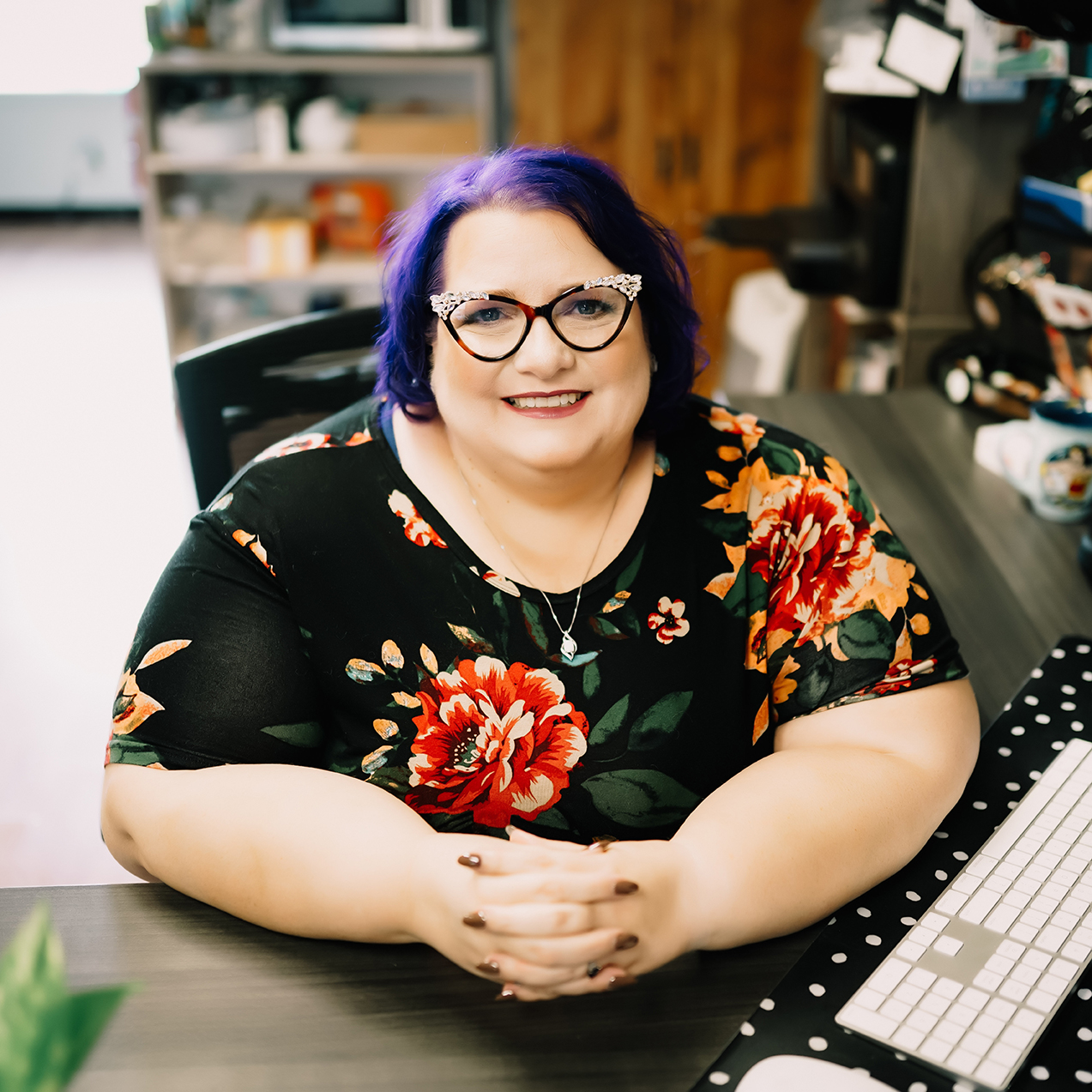
Michelle Frechette
Host
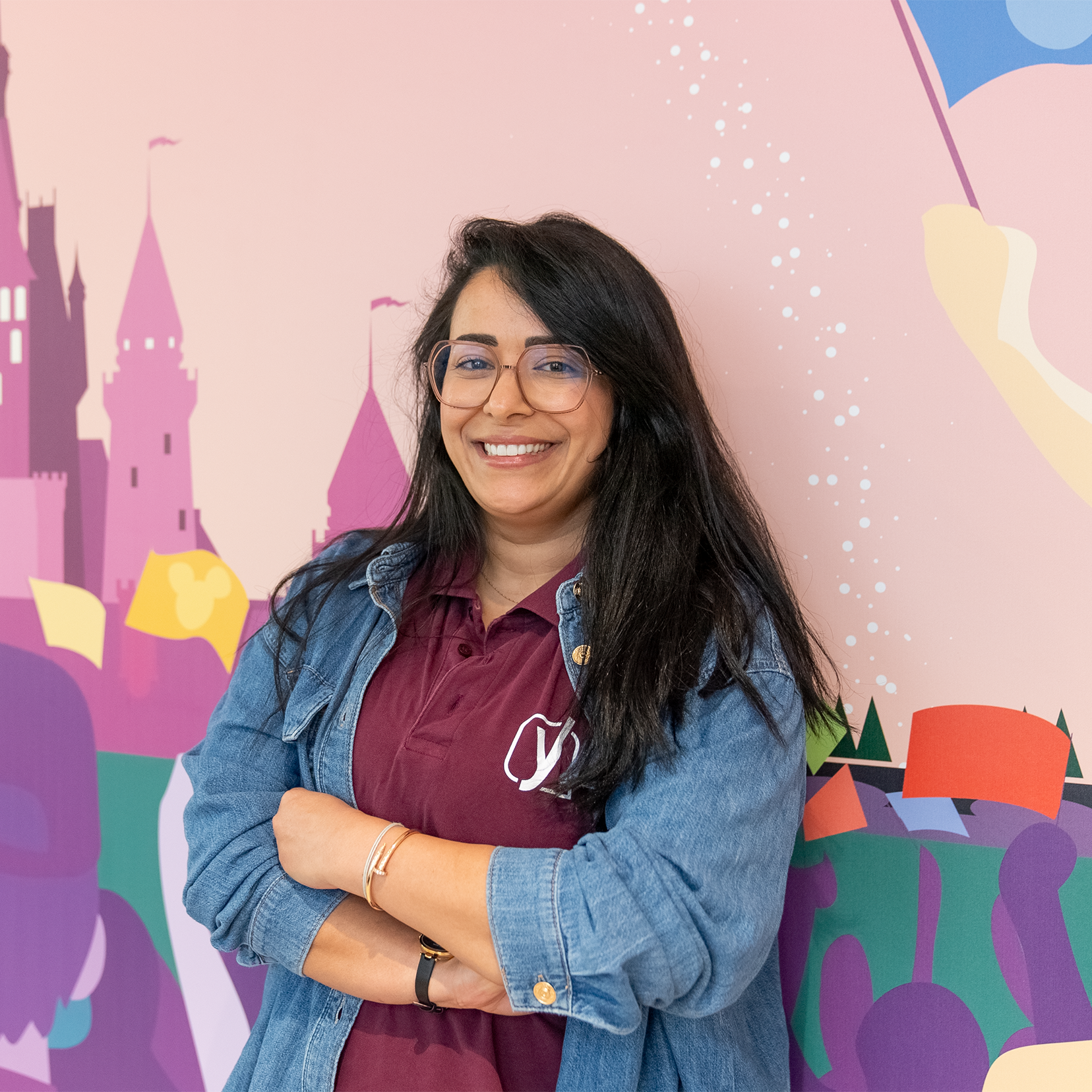
Samah Nasr
Host